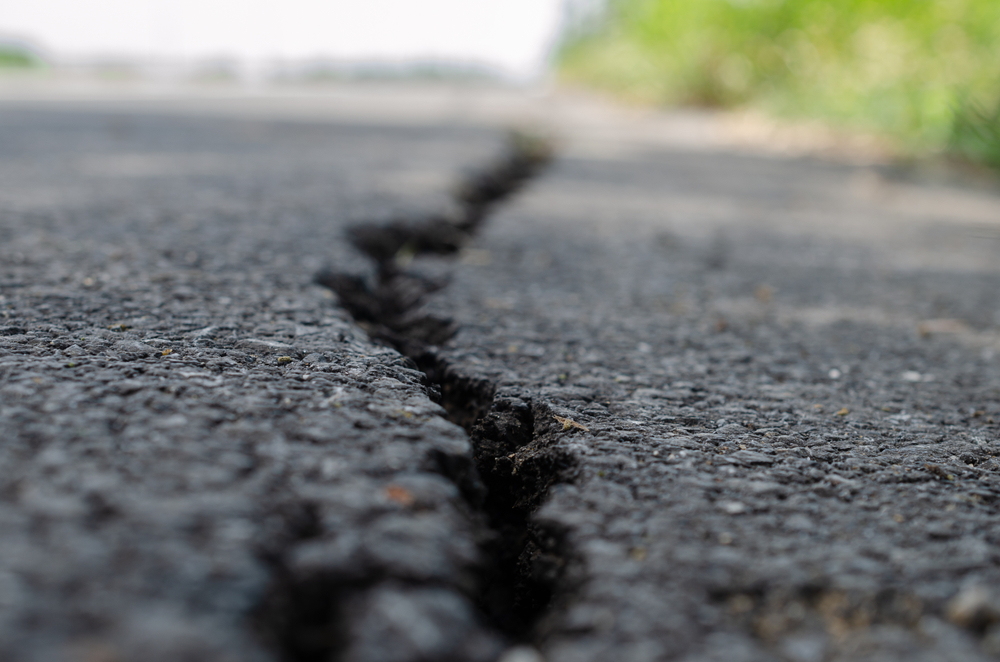
Jackson, Mississippi sits atop some of the most challenging soil conditions in the American South. The Yazoo Clay that underlies much of the Jackson metropolitan area, including nearby Flowood, creates a unique set of pavement problems that confound homeowners and city planners alike. If you’ve noticed your driveway cracking, your foundation settling, or your asphalt developing an alligator skin pattern, you’re experiencing what locals simply call “Yazoo problems.”
Understanding why pavement fails differently in Jackson requires looking beneath the surface, literally. The expansive soil in this region behaves nothing like the stable clay found in other parts of the country. This guide will help you understand the science behind the destruction and, more importantly, what you can do about it.
Yazoo Clay and Its Destructive Properties
Yazoo Clay is a heavy, moisture-sensitive clay that dominates the geological landscape of central Mississippi. This clay formation was deposited thousands of years ago during the Pleistocene epoch, creating a layer that extends deep beneath Jackson and surrounding areas like Flowood.
The fundamental problem with Yazoo Clay lies in its mineralogy. The clay contains high percentages of montmorillonite, a mineral that expands dramatically when exposed to water and shrinks when it dries. This expansion and contraction cycle is far more aggressive than the soil movement found in most other regions of the United States.
When moisture enters Yazoo Clay, it can increase in volume by up to 20 percent. This isn’t a gradual process either. Heavy rains, irrigation systems, landscaping changes, or even improper drainage can introduce water into the soil layer beneath your pavement. The expanding soil pushes upward with tremendous force, creating the distinctive damage patterns that plague Jackson driveways and foundations.
The clay remains in a perpetual state of stress because Mississippi’s climate provides ideal conditions for this expansion and contraction cycle. The state experiences both wet winters and relatively dry summers, meaning the soil under your driveway experiences seasonal movement throughout the year. This constant movement means your pavement is literally shifting beneath your feet.
How Soil Expansion Creates Unique Pavement Damage Patterns
Pavement failure in Jackson follows patterns distinctly different from other regions. When expansive soil pushes upward unevenly, it creates a phenomenon known as alligator cracking asphalt. This network of small cracks resembles the skin of an alligator, which is how it earned its descriptive name.
Unlike traditional cracking that occurs from traffic stress or surface deterioration, alligator cracking asphalt repair in Jackson requires addressing the underlying soil issue. The cracks form because different sections of your pavement are being pushed upward at different rates. One section rises while an adjacent section remains relatively stable, creating stress points where the asphalt simply cannot accommodate the differential movement.
You might also notice that your driveway has developed a wavy appearance or that certain sections have heaved significantly above others. Some homeowners describe the feeling as driving over a washboard. These are all classic signs of expansive soil pavement damage in Flowood and throughout the Jackson area.
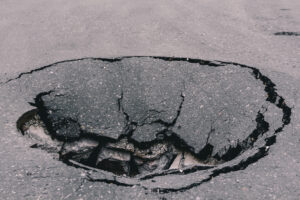
The problem intensifies when water collects in these cracks. Once water enters the asphalt, it infiltrates the base layers beneath, which are often already saturated from groundwater in the Yazoo Clay. This water accelerates the deterioration process, breaking down the bond between asphalt particles and contributing to pothole formation.
The timing of damage can be frustrating too. You might install a new driveway in winter when soil moisture is high, only to see it crack as summer arrives and the soil shrinks. Conversely, installing during the dry season might lead to dramatic cracking once the fall rains begin. This is why fixing foundation cracks in Mississippi and repairing driveways requires understanding seasonal soil behavior.
Why Traditional Pavement Solutions Fail in Jackson
Standard asphalt repair methods often fail in Jackson because they don’t address the root cause. A typical approach involves filling cracks with sealant and hoping the problem stops. But if the Yazoo Clay beneath continues expanding and contracting, the patch simply won’t hold.
Some contractors attempt to address the issue by installing thicker asphalt layers. While this might delay failure, it doesn’t solve the fundamental problem. Thicker pavement will eventually crack under the immense pressure created by soil expansion, just as a thinner layer will.
Traditional concrete driveways face similar challenges. Concrete is rigid and brittle, making it especially vulnerable to the stresses created by expansive soil pavement damage. A concrete slab that experiences uneven lifting will develop wide cracks that continue spreading throughout the surface.
The reason these traditional solutions fail relates to basic physics. You cannot prevent soil movement through pavement alone. The forces generated by Yazoo Clay expansion exceed what typical surface solutions can withstand. What’s needed instead is a strategy that either prevents water from reaching the clay or allows the pavement to accommodate the movement without failing.
Soil Stabilization for Mississippi Driveways: The Real Solution
The most effective approach to addressing these problems involves soil stabilization for Mississippi driveways. Rather than treating the symptoms, this approach addresses the cause by modifying the soil beneath your pavement.
Several soil stabilization techniques have proven effective in the Jackson area. Chemical stabilization involves injecting compounds into the soil that alter the clay’s behavior. These additives can include lime, Portland cement, or proprietary chemical formulations. The goal is to reduce the clay’s ability to absorb water, which dramatically decreases expansion potential.
Lime stabilization is particularly popular in Mississippi because lime reacts chemically with clay minerals, reducing their moisture sensitivity. When properly applied, lime stabilization can reduce soil expansion by 50 to 80 percent. The treatment is applied either by mixing the stabilizer into the top soil layers or through injection at depth.
Another approach involves installing moisture barriers beneath new or repaired pavement. These barriers prevent water from infiltrating the Yazoo Clay from above, even during heavy rainfall or seasonal flooding. Combined with improved drainage systems that direct water away from the foundation and pavement structure, moisture barriers provide long-term protection.
For existing driveways, some homeowners choose to replace failed asphalt with permeable alternatives that allow drainage while accommodating slight soil movement better than rigid concrete. Recycled asphalt and specialty paving materials designed for expansive soils offer additional options.
The investment in proper soil stabilization typically costs more upfront than patch repairs, but it provides permanent solutions. Contractors experienced with expansive soil pavement damage in Flowood and Jackson understand that spending money on the correct solution prevents years of repeated repairs and frustration.
Working with Local Experts and Understanding Your Warranty
Finding contractors with specific experience managing Yazoo Clay issues is crucial. Not every paving company understands expansive soil problems, and some will recommend inappropriate solutions that waste your money without solving the underlying issue.
When evaluating contractors, ask specifically about their experience with Yazoo Clay and expansive soil situations. Request references from other Jackson area clients. The best contractors will explain exactly why they’re recommending a particular approach and how it addresses the soil expansion problem rather than just the surface symptoms.
Warranties on work performed in expansive soil areas should reflect the unique challenges involved. A five-year warranty might be appropriate for standard pavement but insufficient for Jackson projects. Quality contractors warrant their work against expansive soil damage for ten years or longer because they’re confident in their soil stabilization approach.
Conclusion
The Yazoo Clay underlying Jackson, Mississippi and Flowood creates pavement challenges unlike those found in other regions. Fixing foundation cracks in Mississippi and addressing alligator cracking asphalt requires understanding the unique behavior of expansive soil in this area. Rather than relying on temporary patches, invest in soil stabilization approaches that prevent water infiltration and reduce clay expansion. Working with local experts familiar with these specific conditions will save you money and frustration over the long term.
Need an Asphalt Contractor Near You?
At Asphalt Redeemers, we’re passionate about delivering professional, honest, and purpose-driven asphalt care to our neighbors throughout Central Mississippi. Whether you’re a business owner, property manager, church, school, or HOA, we’re here to help restore and protect your pavement with services like sealcoating, crack filling, line striping, and pothole repairs — all backed by our commitment to integrity and compassionate service as a Christian-owned company. Let us help extend the life and beauty of your asphalt while reflecting the care and stewardship we believe in. Reach out to us today for your complimentary pavement assessment — we’re ready to serve!